St. Mark’s Square flagpoles


Three tall masts stand in the center of St. Mark’s Square. Most of the time, they are empty. And that emptiness is part of their meaning.
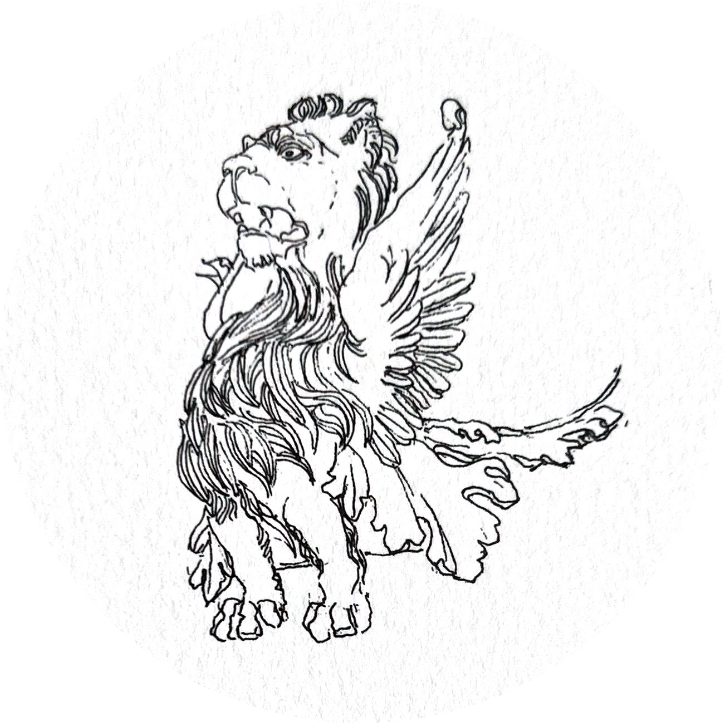
In the past, each mast carried the flag of a Venetian overseas territory: Cyprus, Candia, and the Morea. The masts were added in the early 1500s, set on bronze bases cast by Alessandro Leopardi — the same sculptor who made the bronze horses’ bases on the façade of the Basilica. Their decoration, with winged lions and military trophies, celebrated Venice’s victories and framed the square as a stage of state power.
Together, the three flags transformed the square into a map of empire, showing how far the Republic extended across the Mediterranean.
Today, the flags raised here are not the same as those of the former dominions. Only modern ceremonial banners appear, and only on special occasions. What remains is the structure itself — vertical markers of a power that once needed to be constantly displayed, and that no longer exists in the same form.
The empty masts turn absence into memory. They remind us that Venice’s empire has vanished, but its symbols still occupy the space, quietly shaping how we read the square and its history.